

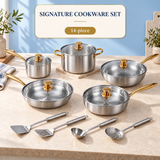
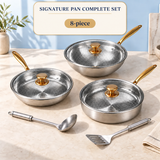
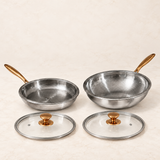
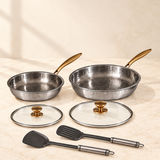
Care & Use
NO LAYER · Make it part of your routine
A good meal starts with a few good habits. Get comfortable with your cookware, from the first cook to the final clean-up.
Your first cook
1. Start clean
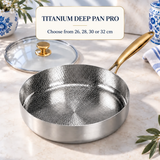
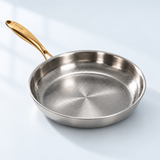
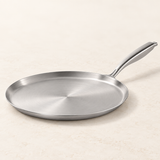
Unpack your pan and wash it with warm water, washing-up liquid and a soft sponge. Rinse and dry. Read the instructions supplied with your model before using it.
2. Get everything ready
Cut your ingredients before heating the pan. Match the hob to the size of the base. Keep oven gloves nearby: metal handles can get hot.
3. Warm up gently
Start on low to medium heat. Avoid leaving an empty pan over high heat. Add a little oil or butter suited to your recipe; reduce the heat if it starts to smoke.
4. Give the food room
Add a manageable amount of food. Cook in batches when the surface feels crowded. Let the first side cook before trying to turn it.
Less sticking. More control.
A titanium cooking surface is not the same as a plastic non-stick coating. Heat, fat and timing still matter.
Food catches immediately
Check your heat and the amount of oil. A little fat and gentler heat are a useful starting point. Dry excess moisture from ingredients before adding them.
Food will not turn
Give it more time to form a crust. Try lifting an edge gently. Forcing it too early can tear the food and leave pieces behind.
Oil is smoking
Turn down the heat. Take the pan off the hob if needed and let it cool safely. Do not add water to hot oil.
The pan is crowded
Cook in smaller batches. More space helps moisture escape and makes it easier to turn each piece.
Clean it. Dry it. Ready for tomorrow.
- Let the pan cool before washing. Avoid sudden changes from a hot pan to cold water.
- Wash with warm water, washing-up liquid and a soft sponge.
- Soak stuck-on food instead of scraping aggressively. Rinse and dry before storing.
- Check the instructions for your exact model before using a dishwasher, abrasive cleaner or oven.
There are marks or discolouration on my pan
Appearance can change with cooking and cleaning. Let us see a clear photo before trying a harsh cleaner. Include the model, what you cooked and how you cleaned it so we can help with the right next step.
How hot can my pan, handle or lid get?
Limits can differ between the pan body, lid and handle. Follow the instructions supplied with your model. If those limits are unclear, contact us before oven use.
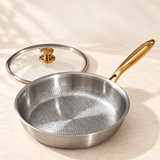
How do I fit the lid knob?
Use the parts and assembly instructions supplied with your particular lid. Do not force or overtighten the fastener. If parts are missing or the knob does not sit securely, send us a photo before cooking with it.
Everyday care for your cutting board
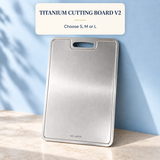
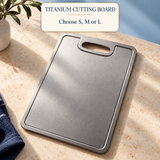
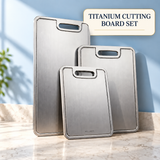
- Wash before first use and after preparing food. Use warm water, washing-up liquid and a soft sponge.
- Keep the board stable on a flat surface. Use the supplied non-slip mat where included, and check the grip before cutting.
- Keep raw ingredients separate from ready-to-eat food. Clean the board, knife and worktop between tasks.
- Rinse and dry both sides before storing. Follow your model's instructions for dishwasher use.
- Use a controlled cutting motion. Knife edges and cutting surfaces wear with use; our available composition report does not establish knife-wear performance.
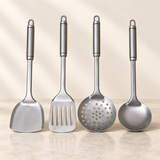
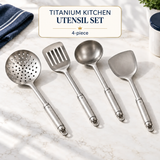
Keep your kitchen tools in good shape
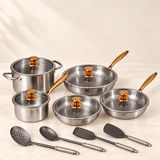
Wash before first use, then rinse and dry after cooking. Match the tool to the pan: follow the pan manufacturer's advice before using metal utensils on coated surfaces. Keep handles away from the heat and use protection when necessary.
Still not getting the result you want?
Tell us which product you use, your hob, the dish and what happens. A photo helps us understand the issue.
Get cooking support